Nepal White-Water Kayaking Expedition

344+ Reviews in TripAdvisor
Nepal White-Water Kayaking Expedition
  • Duration 11 Days
  • Trip Grade Technical Challenging
  • CountryNepal
  • Maximum Altitude Approximately 1,400 metres in Kathmandu
  • Group Size 10
  • Starts Kathmandu
  • Ends Kathmandu
  • Activities White-Water Kayaking
  • Best Time March–May and September–November

Trishuli and Seti River Kayaking Adventure

Tour Overview

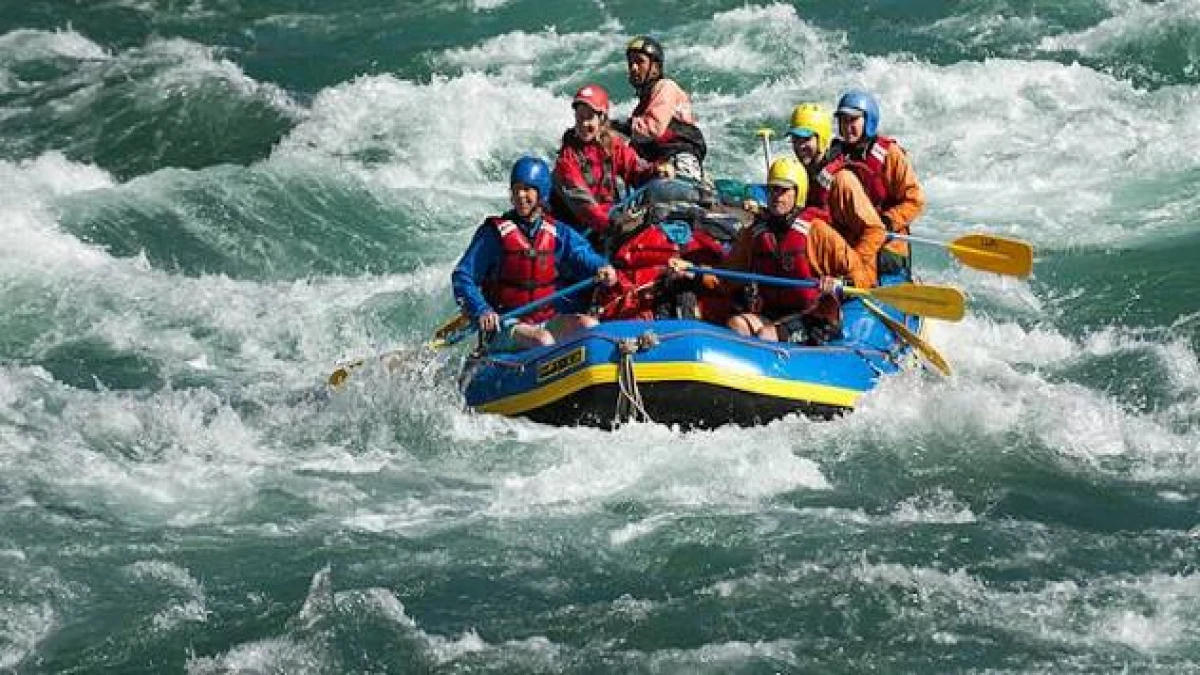
Nepal is internationally known for Himalayan-fed rivers, deep valleys, forested hills, remote villages and continuous white-water sections. This nine-day expedition introduces participants to two rivers with different characteristics.

The Trishuli River offers accessible Class II–III rapids, wave trains, technical channels and changing river features. It is suitable for developing fundamental white-water kayaking skills under professional supervision.

The Seti River provides a quieter and more remote experience. It passes through jungle corridors, sandy beaches, traditional settlements and scenic countryside. Its warm water and moderate rapids make it an excellent continuation after the Trishuli section.

The journey also includes time in Pokhara, where participants can relax beside Phewa Lake, practise calm-water paddling and enjoy views of the Annapurna region.


What Is Special About This Tour?

This expedition combines adventure, professional training, riverside camping and cultural travel in one programme.

Participants paddle two different Himalayan rivers rather than repeating the same type of river environment. The Trishuli develops technical confidence, while the Seti provides a longer wilderness-style journey through peaceful countryside.

Professional kayaking instructors and safety kayakers accompany the group. Complete kayaking, rescue and camping equipment is provided. The expedition also includes support transportation, accommodation, meals during river days and airport transfers.

The programme is especially suitable for adventure clubs, outdoor organisations, educational groups and travellers seeking a structured introduction to white-water kayaking in Nepal.


Trip Highlights

  • Kayak on the Trishuli and Seti rivers
  • Paddle approximately 65–70 km
  • Experience Class II–III Himalayan white water
  • Receive instruction from professional kayaking guides
  • Learn river safety and rescue procedures
  • Practise ferry glides, eddy turns and rapid navigation
  • Stay beside the river in camps and eco-lodges
  • Travel through forests, gorges and traditional villages
  • Explore Pokhara and Phewa Lake
  • Enjoy leisure time in Kathmandu
  • Receive expedition support from safety kayakers
  • Use complete professional kayaking equipment
  • Complete the programme with an expedition certificate

Why Do People Visit Nepal for Kayaking?

Nepal is one of the world’s leading white-water kayaking destinations. Its Himalayan-fed rivers offer powerful rapids, technical gorges, scenic valleys and a wide variety of paddling conditions. From accessible training sections to demanding Class IV runs, each river provides a different combination of challenge, landscape and cultural experience.

Kayaking in Nepal is more than a river adventure. The journey passes through remote villages, terraced farmland, forested hills, suspension bridges, deep gorges and riverside communities that are rarely reached by conventional tours. The combination of Himalayan scenery, diverse rivers, traditional hospitality and continuous white water makes Nepal an exceptional destination for international paddlers.

What is Special About This Tour?

  • Experience several of Nepal’s outstanding white-water rivers, including the Upper Seti, Kali Gandaki, Madi Khola, Marsyangdi and Trishuli.
  • Paddle more than 75 km and travel over 320 km by road through technical rapids, dramatic gorges, forested valleys and traditional riverside settlements.
  • Experience fast Class III and IV white water on the Upper Seti and Kali Gandaki, combined with varied paddling conditions on the Madi Khola, Marsyangdi and Trishuli sections.
  • Improve technical kayaking skills under the supervision of professional kayaking instructors, expedition leaders and safety kayakers.
  • Practise river-line selection, ferry gliding, eddy entry and exit, rapid navigation, rescue procedures and group river communication.
  • Combine serious white-water kayaking with premium hotel accommodation, expedition camps and dedicated river-support logistics.
  • Camp beside Himalayan rivers, surrounded by quiet valleys, forested hills and remote rural landscapes.
  • Explore Pokhara, Nepal’s adventure capital, with sightseeing, Lakeside relaxation and views across Phewa Lake.
  • Enjoy a scenic domestic flight between Kathmandu and Pokhara and travel through several of central Nepal’s major river valleys.

Nepal White-Water Kayaking Expedition Itinerary

Starts from: Kathmandu Ends to: Kathmandu
Expand AllCollapse All

Arrive at Tribhuvan International Airport, Kathmandu. A representative from Top of the World Adventure will welcome the group and provide a private transfer to The Soaltee Kathmandu. After hotel check-in, attend a detailed expedition briefing covering the itinerary, river conditions, safety procedures, personal equipment, emergency protocols and transportation arrangements. The remainder of the day is available for rest and preparation. Activities: Airport meet and greet, Private hotel transfer, Hotel check-in, Expedition briefing, Kayaking equipment and personal gear review, Welcome dinner.

  • Max Altitude: Not specified
  • Meals: Welcome dinner
  • Accommodation: The Soaltee Kathmandu

After breakfast, transfer to the domestic airport for the scenic flight from Kathmandu to Pokhara. The flight takes approximately 25 minutes and offers views of Nepal’s hills and Himalayan ranges in suitable weather. On arrival at Pokhara International Airport, transfer to Fish Tail Lodge by Annapurna. Continue with sightseeing according to the arrival time. Possible visits include Davis Falls, Gupteshwar Mahadev Cave, the International Mountain Museum and Pokhara Lakeside. The evening is free for rest and preparation for the first river day. Activities: Hotel breakfast, Domestic airport transfer, Kathmandu to Pokhara flight, Pokhara airport transfer, Hotel check-in, Pokhara sightseeing, Evening at Lakeside. Flight time: Approximately 25 minutes.

  • Max Altitude: Not specified
  • Meals: Breakfast, lunch and dinner
  • Accommodation: Fish Tail Lodge by Annapurna

Route: Pokhara Lakeside → Bamboo Bridge → Upper Seti Gorge → Dam Take-out → Pokhara Lakeside. After breakfast, drive approximately 30 minutes from Pokhara Lakeside to the Upper Seti River. At the put-in point, the expedition team will conduct a detailed river briefing, equipment fitting, warm-up session and paddling assessment. Begin a technical kayaking run through the Upper Seti Gorge. The river offers fast and continuous Class III+ to IV white water, narrow channels, technical lines, powerful waves and steep drops. The guide may inspect or portage particular sections depending on water level and participant ability. Complete the run near the dam take-out point and return to Pokhara. Activities: River safety briefing, Equipment fitting, Kayaking skills assessment, Technical Upper Seti kayaking, Safety support throughout the river section, Return transfer to Pokhara. Kayaking distance: Approximately 7–8 km. River time: Approximately 1.5 hours. River grade: Class III+–IV.

  • Max Altitude: Not specified
  • Meals: Breakfast, lunch and dinner
  • Accommodation: Fish Tail Lodge by Annapurna

Pokhara to Maldhunga and Kayak to Kusma. After breakfast, depart Pokhara and drive to Maldhunga, the starting point of the Kali Gandaki expedition. At Maldhunga, unload the kayaks and complete a safety briefing, equipment check and river assessment. Begin kayaking downstream toward Kusma. The route passes through a broad river valley with steep hills, suspension bridges, villages and active Class III sections. The kayaking team will provide technical instruction on river positioning, ferry glides, eddy entry and safe rapid navigation. Finish the river section near the Kusma Bungee Bridge area and establish the riverside camp. Activities: Drive from Pokhara to Maldhunga, Equipment unloading and fitting, River briefing, Kayaking from Maldhunga to Kusma, Technical paddling instruction, Riverside camping. River time: Approximately 3 hours.

  • Max Altitude: Not specified
  • Meals: Breakfast, packed or riverside lunch and dinner
  • Accommodation: Riverside tented camp

Kusma to Keraghari. After breakfast at the campsite, pack the camp and prepare the kayaks. Continue kayaking downstream from Kusma toward Keraghari. The river passes through scenic countryside, agricultural terraces, narrow river corridors and sections of technical white water. Participants will practise river-line selection, wave navigation, eddy turns, ferry gliding and group communication under the supervision of the expedition guides. Arrive at Keraghari and establish the evening camp beside the river. Activities: Campsite breakfast, Camp packing, Kayaking from Kusma to Keraghari, Technical river training, Rapid navigation, Riverside camp setup. River time: Approximately 3–4 hours.

  • Max Altitude: Not specified
  • Meals: Breakfast, riverside lunch and dinner
  • Accommodation: Riverside tented camp

Keraghari to Mirmi and Return to Pokhara. After breakfast, begin the final section of the Kali Gandaki expedition. Kayak from Keraghari toward Mirmi through the lower Kali Gandaki Valley. The character of the river gradually changes as the route approaches the calmer reservoir area near Mirmi. Complete the river journey at the designated take-out point. The expedition team will unload, clean and pack the equipment before the drive back to Pokhara through Waling and Syangja. Check in at Fish Tail Lodge by Annapurna and rest after the expedition. Activities: Final Kali Gandaki kayaking section, Equipment unloading and packing, Drive from Mirmi to Pokhara, Hotel check-in, Evening rest. River time: Approximately 3 hours. Drive to Pokhara: Approximately 4–5 hours.

  • Max Altitude: Not specified
  • Meals: Breakfast, riverside lunch and dinner
  • Accommodation: Fish Tail Lodge by Annapurna

Pokhara to Torikhet, Damauli and Paudi. After breakfast, drive from Pokhara toward the Madi Khola area. Reach Torikhet and prepare for the day’s kayaking section. The expedition guide will evaluate water levels, river access and safety conditions before launching. Kayak from Torikhet toward Damauli Bridge through river valleys, countryside and settlements. After completing the kayaking section, load the equipment and drive from Damauli to Paudi River Camp. Activities: Pokhara to Madi Khola drive, River briefing and equipment preparation, Kayaking from Torikhet to Damauli Bridge, Equipment loading, Drive to Paudi River Camp. Drive to Madi Khola: Approximately 3–4 hours. River time: Approximately 3–4 hours.

  • Max Altitude: Not specified
  • Meals: Breakfast, packed or riverside lunch and dinner
  • Accommodation: Paudi River Camp

After breakfast, prepare the kayaks and begin paddling from Paudi toward Bimalnagar. The river section offers technical practice, moving water, scenic hills and traditional settlements. The exact launch and take-out points may be adjusted according to river conditions and access. Complete the kayaking section at Bimalnagar. Load the equipment and drive to Paddle Nepal Camp in Simaltar. Activities: River preparation, Kayaking from Paudi to Bimalnagar, Technical coaching, Equipment packing, Drive to Simaltar, Camp check-in. River time: Approximately 3 hours. Drive to Simaltar: Approximately 2 hours.

  • Max Altitude: Not specified
  • Meals: Breakfast, riverside lunch and dinner
  • Accommodation: Paddle Nepal Camp

After breakfast, drive from Simaltar to Charaudi, one of the principal access points for the Trishuli River. After a safety briefing and equipment fitting, begin kayaking from Charaudi toward Kurintar. The river generally offers Class II to III rapids, wave trains, technical channels and excellent opportunities for controlled river-running practice. Complete the river journey near Kurintar. Change into dry clothing, pack the kayaking equipment and drive back to Kathmandu. Check in at The Soaltee Kathmandu. Activities: Drive to Charaudi, River safety briefing, Kayaking from Charaudi to Kurintar, Equipment packing, Drive to Kathmandu, Hotel check-in. Drive to Charaudi: Approximately 2–2.5 hours. River grade: Generally Class II–III.

  • Max Altitude: Not specified
  • Meals: Breakfast, riverside lunch and dinner
  • Accommodation: The Soaltee Kathmandu

Enjoy a free day in Kathmandu after completing the kayaking expedition. Participants may rest at the hotel, explore local markets or join optional sightseeing around Kathmandu Valley. Possible sightseeing locations include: Kathmandu Durbar Square, Swayambhunath Stupa, Boudhanath Stupa, Pashupatinath Temple, Patan Durbar Square, Thamel shopping area. A farewell dinner may be arranged in the evening.

  • Max Altitude: Not specified
  • Meals: Breakfast, lunch and farewell dinner
  • Accommodation: The Soaltee Kathmandu

After breakfast, check out from the hotel. A representative from Top of the World Adventure will provide a private transfer to Tribhuvan International Airport according to the international departure schedule. Activities: Hotel breakfast, Hotel check-out, Private airport transfer, Final departure.

  • Max Altitude: Not specified
  • Meals: Breakfast
  • Accommodation: Not applicable
Still Confuse?

Download brochure or customize your trip.

Nepal White-Water Kayaking Expedition Cost Details

Includes

  • Accommodation
    • Three nights at The Soaltee Kathmandu
    • Three nights at Fish Tail Lodge by Annapurna
    • One night of riverside camping at Kusma
    • One night of riverside camping at Keraghari
    • One night at Paudi River Camp
    • One night at Paddle Nepal Camp in Simaltar
    • Accommodation on twin-sharing basis
    • Camping tents and standard camping equipment
  • Meals
    • Daily breakfast
    • Welcome dinner
    • Lunch and dinner as stated in the itinerary
    • Riverside and packed lunches during kayaking days
    • Drinking water during river activities
    • Farewell dinner in Kathmandu
  • Transportation
    • Airport arrival transfer
    • Airport departure transfer
    • Kathmandu hotel to domestic airport transfer
    • Pokhara airport to hotel transfer
    • Kathmandu to Pokhara domestic flight
    • Private ground transportation throughout the expedition
    • Support vehicle for kayaking equipment and expedition logistics
    • All river put-in and take-out transfers
  • Kayaking Services
    • Professional kayaking expedition leader
    • Qualified kayaking guides
    • Safety kayakers
    • River safety briefing
    • Equipment fitting
    • Technical paddling instruction
    • River rescue support
    • Route and water-level assessment
    • First-aid support during river activities

Excludes

  • International airfare
  • Nepal entry visa fee
  • Travel and medical insurance
  • Emergency evacuation and rescue expenses
  • Personal kayaking clothing
  • Personal wetsuit or drysuit
  • Personal paddling shoes or river sandals
  • Personal medication
  • Alcoholic beverages
  • Soft drinks and bottled beverages outside the meal plan
  • Laundry services
  • Telephone and internet charges
  • Room service
  • Single-room or single-tent supplement
  • Additional hotel nights caused by flight delays
  • Optional sightseeing entrance fees unless confirmed
  • Optional activities in Kathmandu or Pokhara
  • Tips for kayaking guides, drivers and camp crew
  • Expenses caused by weather, road closures, river conditions or flight cancellations
  • Any service not specifically mentioned under package inclusions

Additional Info

Best Time

Spring: March to May

Spring offers warmer weather, suitable water levels and generally good paddling conditions. Daytime temperatures are comfortable, while evenings beside the river remain mild.

Autumn: September to November

Autumn is the most popular season because of stable weather, clearer skies and good river conditions. The mountain and countryside views are usually excellent.

Winter: December to February

Winter trips may be possible, but mornings and evenings can be cold. Participants require additional thermal and waterproof clothing.

Monsoon: June to August

River levels may become high, fast and unpredictable. Rapids can increase significantly in difficulty. Monsoon departures require experienced participants and a specific assessment by the expedition leader.


Physical Fitness and Experience

Participants should:

  • Be comfortable around moving water
  • Have basic swimming ability
  • Be able to follow safety instructions
  • Be in good general health
  • Be prepared for several hours of daily paddling
  • Be comfortable staying in basic riverside camps
  • Inform the company about medical conditions
  • Carry prescribed personal medication

Previous kayaking experience is helpful but not always essential for standard-water-level departures.


Who Is This Tour Suitable For?

  • Beginner and intermediate kayakers
  • Adventure travellers
  • Outdoor clubs
  • University groups
  • International student groups
  • Corporate adventure groups
  • Travellers interested in river skills
  • Participants seeking kayaking and camping together

The programme may not be suitable for people with serious heart, respiratory, spinal or mobility conditions without medical approval.


Equipment Provided

  • River kayak
  • Paddle
  • Helmet
  • Personal flotation device
  • Spray skirt
  • Throw bag
  • Dry bag
  • First-aid supplies
  • Rescue ropes
  • Group safety equipment
  • Camping equipment

Equipment size and availability should be confirmed before the expedition.


Recommended Personal Packing List

River Clothing

  • Two or three quick-drying shirts
  • Quick-drying shorts or trousers
  • Thermal base layer
  • Lightweight fleece
  • Waterproof jacket
  • Secure river sandals or water shoes
  • Neoprene socks where required
  • Kayaking gloves
  • Swimming clothing
  • Change of dry clothing

Personal Items

  • Sunglasses with retaining strap
  • Sunscreen
  • Sun hat
  • Refillable water bottle
  • Small daypack
  • Headlamp with spare batteries
  • Personal towel
  • Personal toiletries
  • Hand sanitiser
  • Insect repellent
  • Personal medication
  • Waterproof phone case
  • Power bank
  • Camera with waterproof protection

Camping Items

  • Lightweight sleeping clothes
  • Warm layer for evenings
  • Sandals for camp
  • Small personal dry bag
  • Earplugs
  • Personal sleeping liner where preferred

Safety and Emergency Support

The expedition is operated with professional kayaking guides and safety kayakers. Before each river section, the lead guide checks the water level, weather, participant condition and available access points.

Safety procedures include:

  • Pre-trip river briefing
  • Equipment inspection
  • Safety kayakers positioned within the group
  • Rescue ropes and throw bags
  • First-aid supplies
  • Support vehicle
  • Daily route assessment
  • Alternative take-out planning
  • Communication with the support team
  • Modification or cancellation of unsafe sections

Safety always takes priority over completing the planned distance.


Travel Insurance

Every participant should hold travel insurance covering:

  • White-water kayaking
  • Adventure activities
  • Emergency medical treatment
  • Ambulance costs
  • Emergency evacuation
  • Trip interruption
  • Personal accident
  • Loss or damage to personal belongings

Standard travel insurance may exclude kayaking. The policy wording should be checked before arrival.


Nepal Visa

Most international travellers can obtain a tourist visa upon arrival at Tribhuvan International Airport, subject to Nepal’s current immigration rules.

Participants should carry:

  • A passport valid for at least six months
  • A blank passport page
  • Visa fee in an accepted currency
  • Travel insurance details
  • Return or onward travel information

Important Expedition Notes

River grades, kayaking distances, camping locations, journey times and take-out points are approximate.

The expedition leader may change the itinerary because of:

  • High or low water levels
  • Heavy rainfall
  • Weather conditions
  • Landslides
  • Road access
  • Participant ability
  • Equipment conditions
  • Local restrictions
  • Safety requirements

Changes made for safety do not represent a failure to provide the programme. The safest suitable alternative will be selected.


Customisation Note

The programme can be adjusted according to group size, kayaking experience, hotel category, preferred river grade and available travel time. Additional sightseeing, private rooms, upgraded hotels and extra kayaking days can be added subject to availability.